 |
GRDS 171
. . . Investigating the Design Fundamentals Close Up Studies of fruit or vegetable |
Prior to introducing this project students have investigated mark making and the vast variety of lines achievable with the simplest of tools. In this case the variety each student could achieve with technical pens in three varied sizes with variations in lines being straight, curved, thin, or thick. Solid lines were compared with those made from dots, dashes or other elements.
Objectives in this project are:
1st To introduce students to basic design fundamentals. What exactly are these fundamentals and how does one work with them in the creation of good design. To further emphasis the properties of each, students focus on each topic in isolation.
Six Design Fundamentals Explored:
- 1. Proximity
- 2. Continuation
- 3. Repetition
- 4. Rhythm
- 5. Focal Point
- 6. Contrast
- 7. Isolation
- 8. Placement
2nd To introduce students to the works of Charles and Ray Eames. After viewing the Eames' film: The Powers of Ten, students investigate the variety of forms and visual solutions found in a single food item at different magnifications.
3rd To create eight (8) individual compositions, each one visually depicting a single concept. (One for each: Proximity, Continuation, Repetition, Rhythm, Focal Point, Contrast, Isolation, & Placement). The compositional ideas taken from selected food/s. Each composition is made up of simple shapes that mimic those forms found in the food item. Forms may vary in size, texture, shape bringing together the variety of lines investigated prior to the beginning of this project. As in the Self ID project, these various principles are utilized: frame of reference, touching, over-lapping, cropping of form, contrast in size and direction of movement.
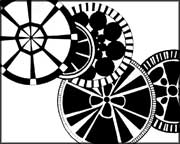
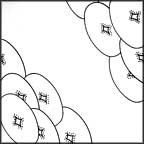
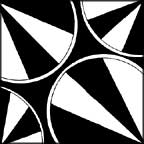
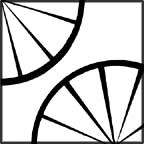
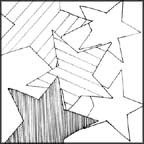
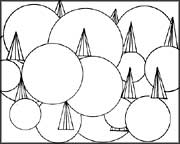
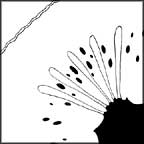
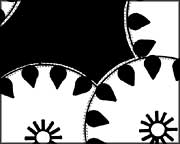
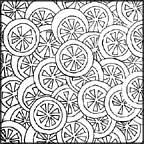
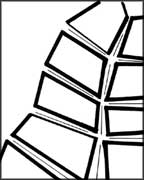
Solutions for Proximity:
The distance between elements: close verses far. Aids in
unification.
 |
 |
 |
 |
 |
| Beth Mickelinc |
Cody Radcliff |
Eyitemi Amorighoye |
Stephen Ropelewski |
Kristina Klein |
 |
 |
 |
 |
 |
| Michele Barron |
Nevin Laughlin |
Penni Moler |
Staci Drake |
Stefani Saxman |
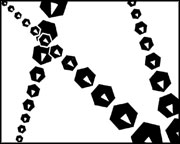
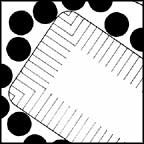
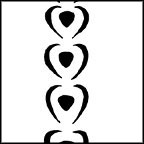
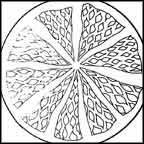
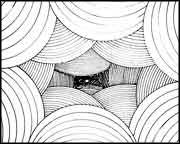
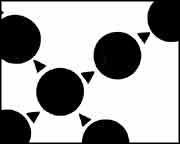
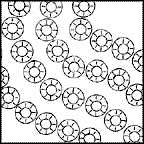
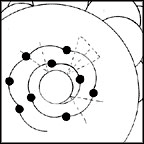
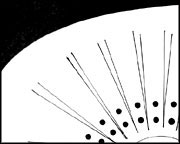
Solutions for Continuation:
The arrangement of items in such a
fashion that the line/idea/thought continues on in a
direction, off the page. Can aid in unification of
elements.
 |
 |
 |
 |
 |
| Beth Mickelinc |
Cody Radcliff |
Carlos Ansley |
Elizabeth Reddinger |
Eyitemi Amorighoye |
 |
 |
 |
 |
 |
| Michele Barron |
Matthew Boyer |
Sarah Meurer |
Nevin Laughlin |
Ryan Heffner |
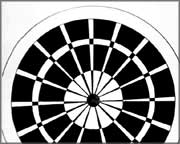
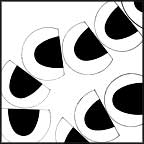
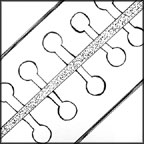
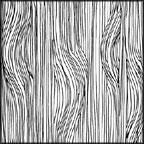
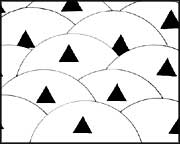
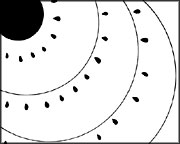
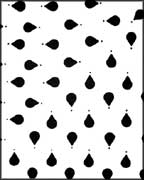
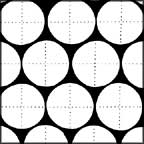
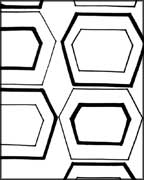
Solutions for Repetition:
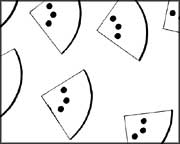
An element or idea that is repeated
within the design. Form may be the same or vary in size,
color, texture. Can aid in unification of elements.
 |
 |
 |
 |
 |
| Beth Mickelinc |
Cody Radcliff |
Kristina Klein |
Jennifer Verdi |
Eyitemi Amorighoye |
 |
 |
 |
 |
 |
| Nevin Laughlin |
Penni Moler |
Matthew Boyer |
Stefani Saxman |
Ryan Heffner |
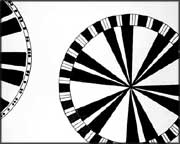
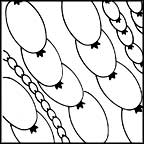
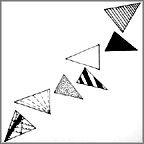
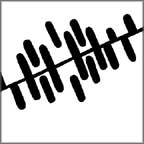
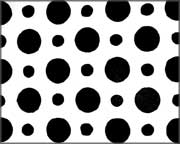
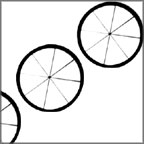
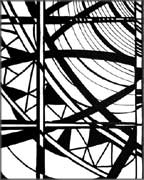
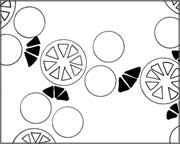
Solutions for Rhythm:
The interval of items repeated, a type of
"beat" given to work from repeated elements.
 |
 |
 |
 |
 |
| Beth Mickelinc |
Cody Radcliff |
Kristina Klein |
Jennifer Verdi |
Eyitemi Amorighoye |
 |
 |
 |
 |
 |
| Ryan Heffner |
Stephan Ropelewski |
Penni Moler |
Sarah Meurer |
Michelle Barron |
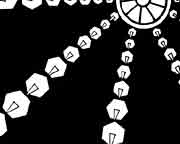
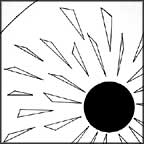
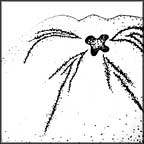
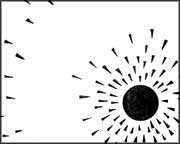
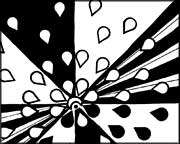
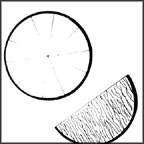
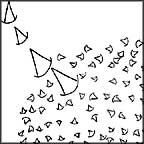
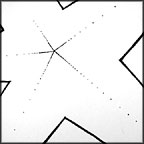
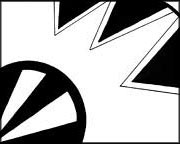
Solutions for Focal Point:
That area or item that captures the
viewers attention and brings them into the composition.
 |
 |
 |
 |
 |
| Beth Mickelinc |
Carlos Ansley |
Cody Radcliff |
Elizabeth Reddinger |
Ryan Heffner |
 |
 |
 |
 |
 |
| Penni Moler |
Stephan Ropelewski |
Jennifer Verdi |
Kristina Klein |
Michelle Barron |
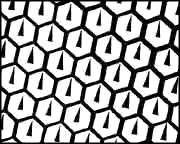
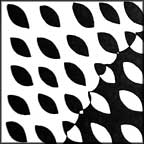
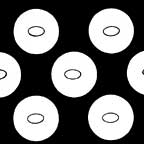
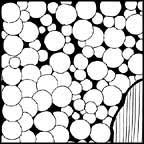
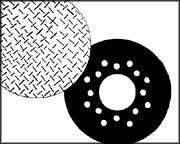
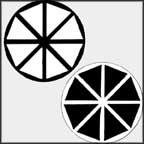
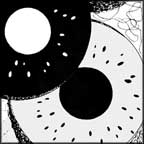
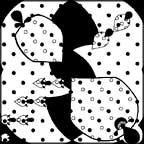
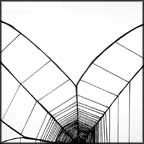
Solutions for Contrast:
To show emphasis in a design through
means of dissimilar elements or opposites, such as light
vs. dark, straight vs. curves, ornate vs. simple
 |
 |
 |
 |
 |
| Beth Mickelinc |
Carlos Ansley |
Cody Radcliff |
Elizabeth Reddinger |
Jennifer Verdi |
 |
 |
 |
 |
 |
| Ryan Heffner |
Matthew Boyer |
Nevin Laughlin |
Penni Moler |
Kristina Klein |
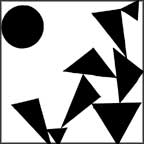
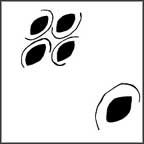
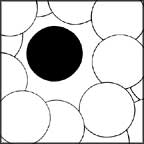
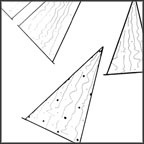
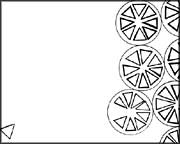
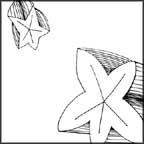
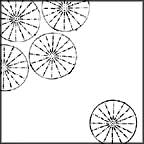
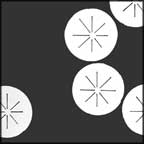
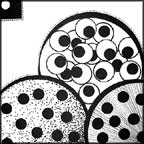
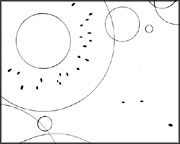
Solutions for Isolation:
A way to being emphasis into a visual
solution by physical separation of elements. An item
separate from a group will draw attention.
 |
 |
 |
 |
 |
| Eyitemi Amorighoye |
Carlos Ansley |
Cody Radcliff |
Elizabeth Reddinger |
Michelle Barron |
 |
 |
 |
 |
 |
| Kristina Klein |
Matthew Boyer |
Ryan Heffner |
Penni Moler |
Nevin Laughlin |
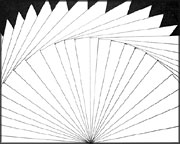
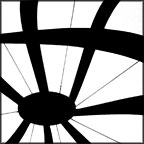
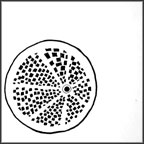
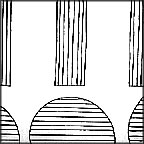
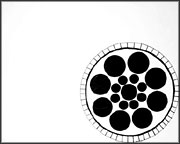
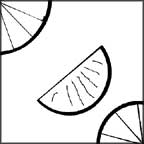
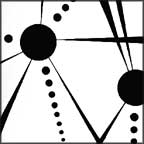
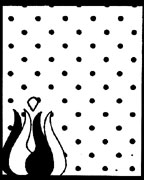
Solutions for Placement:
Lastly, where in a composition various
elements are placed is critical. An individual element's
location on the page is as important as Numerous elements
working together as a whole.
 |
 |
 |
 |
|
| Eyitemi Amorighoye |
Cody Radcliff |
Elizabeth Reddinger |
Kristina Klein |
|
 |
 |
 |
 |
|
| Beth Mickelinc |
Stephan Ropelewski |
Ryan Heffner |
Penni Moler |
|
 |
 |
| Return to GRDS 171 Page | Return to Dianne's Home Page |
* Permission has
been given by each student to show their work and give
them credit prior to the development of this page